
Science communication through the ages: storytelling in science

The importance of communicating science effectively
Man has been telling stories about natural phenomena since time immemorial; we have been wondering about ourselves and the universe that surrounds us ever since we can remember, and science has always been a very important part of our cultural storytelling. The oldest “science communicators” were shamans, healers, and alchemists.
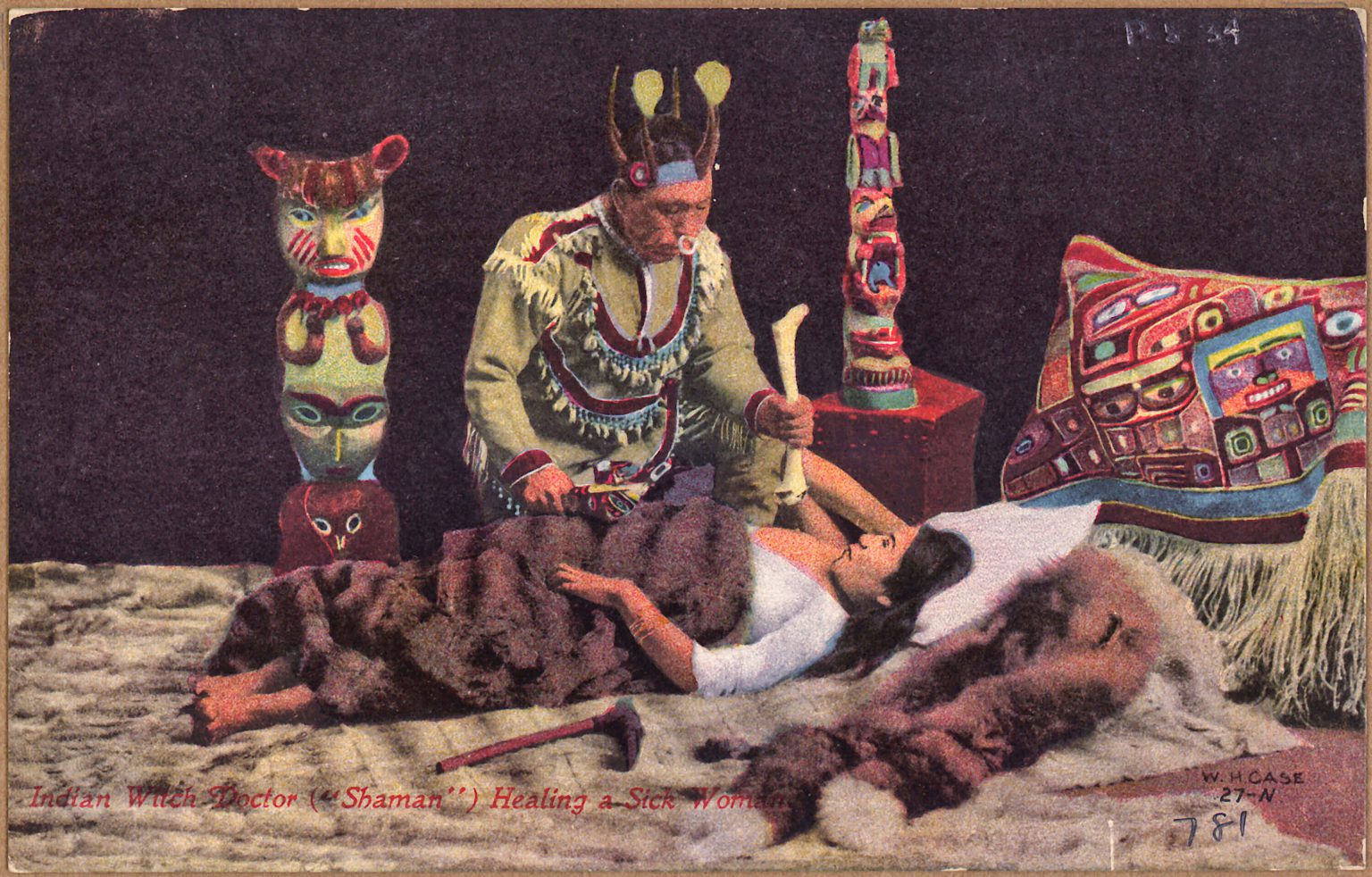
In order to preserve knowledge, or science (i.e., from the Latin word Scientia, meaning “knowledge”), civilizations had to develop more efficient ways of communication, so that discoveries and ideas could survive individuals and advance with the contributions of later generations. One could even say that science communication is at the core of our development as a species.
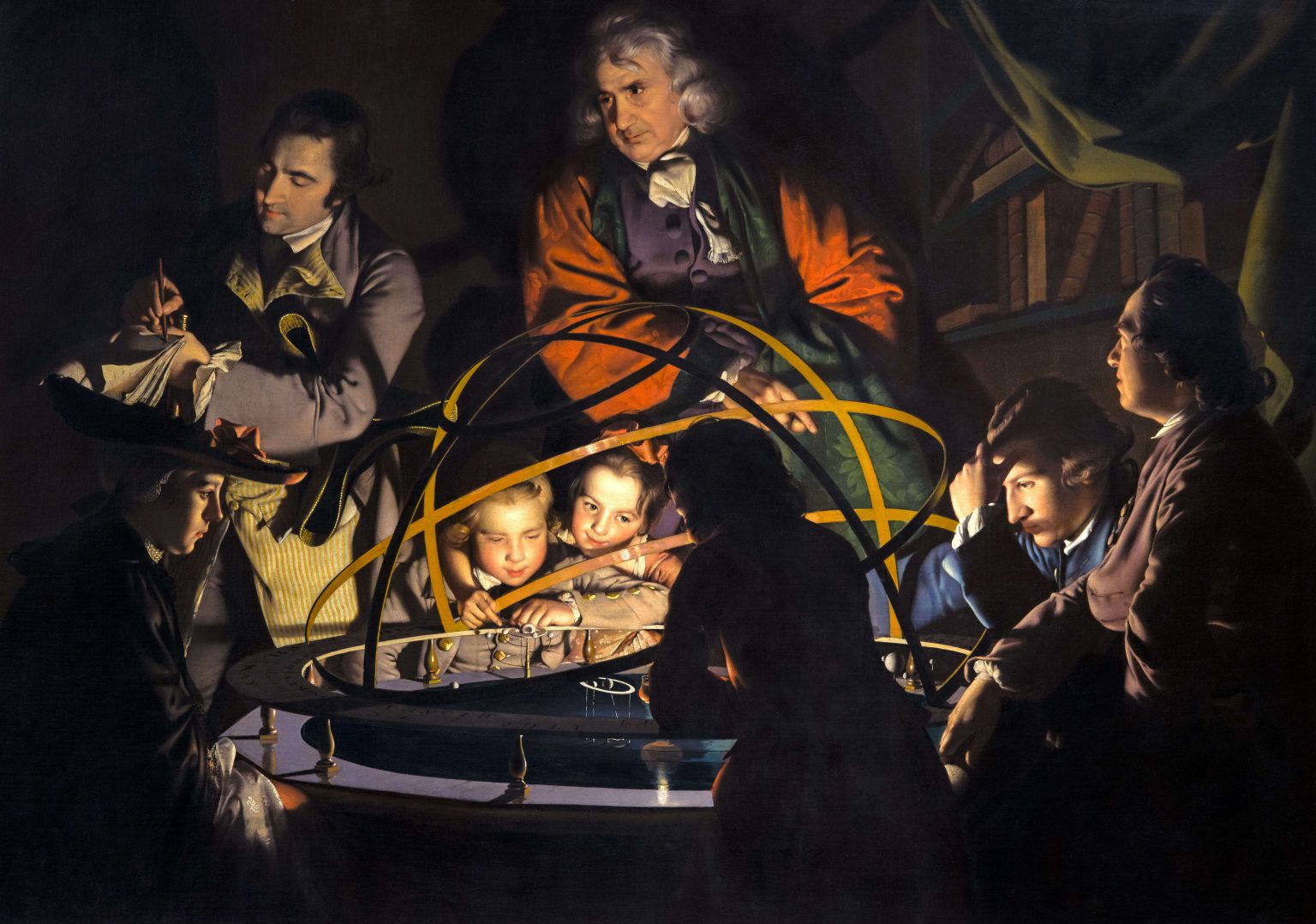
The advent of printed press enabled scientists to portray their ideas in a format that went beyond what they could communicate to their immediate peers. For the first time, knowledge could be spread much more easily, and even cheaply. Newton’s Principia, Descartes’s Discours de la méthode, and Darwin’s Origin of Species are perhaps some of the best-known examples to come out of this revolution.
The scientific revolution eventually led to the industrial revolution, which played a major role in the professionalization of the subject as technology became more important while enabling the emergence of an increasingly educated middle class. This marked the birth of “public science” or the involvement of public institutions in the promotion of scientific literacy and, thus, the beginning of the field that we properly know as “science communication.”
The intention of the first science communicators was to bridge the gaps in public knowledge. This is where we see the introduction of scientific societies like the British Science Association and the National Academy of Sciences, national museums, and standardized science journals like Nature.
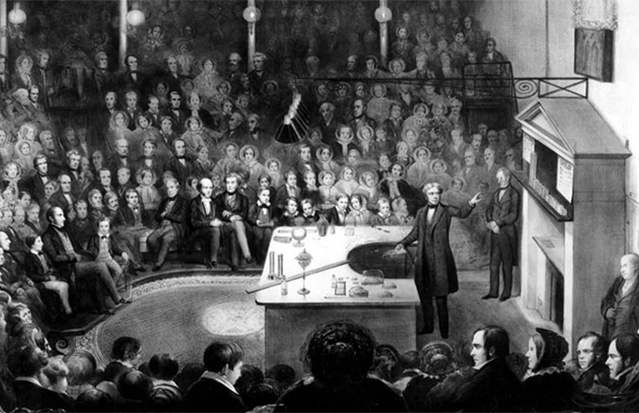
Increasing accessibility
As the public became more educated, science culture became more important and institutions looked for an approach that also favored public dialogue and engagement. This is where books such as The Selfish Gene by Richard Dawkins, or A Brief History of Time by Stephen Hawking, and figures such as Carl Sagan, Neil deGrasse Tyson, Bill Nye, David Attenborough, and Jane Goodall come in. Although the scientific output of these people is of great value on its own, it could be argued that their contributions to public engagement in science have had a greater impact.
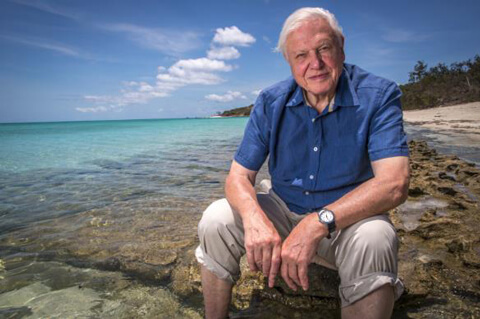
People from across the world have been inspired to study astrophysics because of Tyson’s passionately delivered lectures, and millions have been motivated to stand up for climate change after watching Attenborough’s documentaries.
The future of science communication
The digital age has also brought in exciting developments for science communication. Anyone with access to the Internet has access to science, largely enabling the democratization of information

This brings up interesting questions. Who will be the science communicators of this generation and what will be their rhetoric? Science is an objective field of study, but it needs a messenger and a medium to reach the wider public.

It is also evident that we need more diverse science communicators in bigger seats, particularly as we become more globally connected.


The problem is no longer one of availability, but one of limited time and attention. At the same time, as anyone has the ability to create content, the readers and consumers of science have an acquired responsibility to test the validity and reliability of their sources.
In the meantime, for science communicators, delivering knowledge in engaging ways has become more important than ever. From social media to glossy videos to interactive content, the science communicator may feel like they have become part of the war for attention, but there is something about science that detergent ads don’t have: it inspires awe by feeding human curiosity.
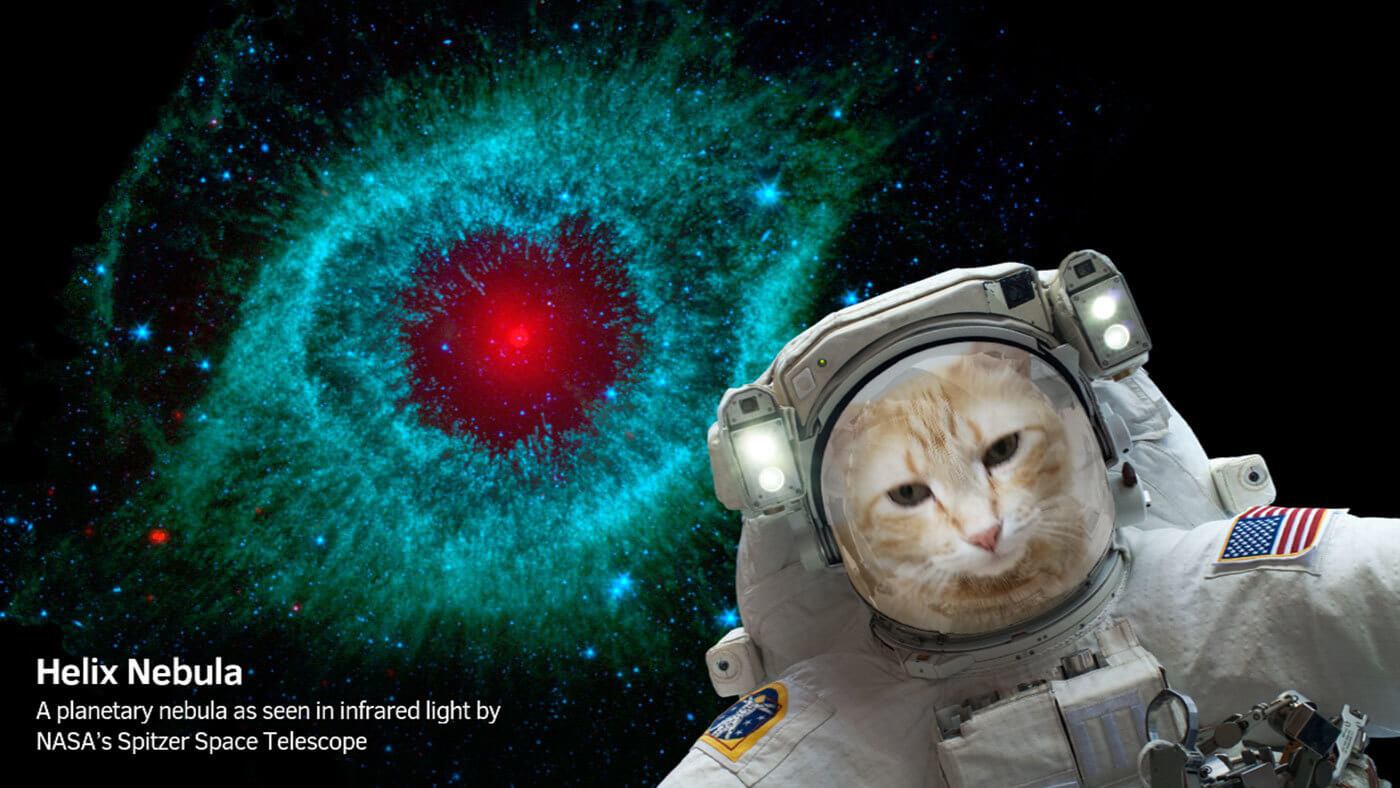
From the beginning of history, humans have been wondering about themselves and about the universe that surrounds them. It is the job of the science communicator to remind the public of that.





_healing_a_sick_woman._-_NARA_-_297728.jpg)


